The Working Coastline
A regional guide to America's most beautiful summer shores, and the honest, paper-trail-clean way a trip can do real work for your business and your family

Imagine the morning.
The light is still soft and pink. There's coffee in your hand and the only sound is the water folding over itself on a beach where the day hasn't started yet. Your phone has one bar, and you let it. Behind you, in a hotel room with a view you'll remember all winter, your laptop is closed over the quarterly plan you actually finished, because for once you had the room to think it all the way through.
That is the version of summer most of us file under someday. Too expensive. Too far from the work. Too hard to justify when there's a business to run and a family that needs you.
But here's the quiet thing the most organized founders already know: a well-built business doesn't make you choose between the coast and the company. Done right, honestly right, with real work and a real paper trail, the trip and the strategy can sit at the same table. The IRS has rules for exactly this. They're not loopholes. They're just rules most people never learned.
So let's do two things at once. Let's plan a coastline worth the trip, region by region, and let's talk about the structure that lets a trip earn its keep without keeping you up at night.
First, the honest part
Before a single deduction, one rule sits above all the others: the trip has to be real before it's deductible.
You can't take a beach week, hold a fifteen-minute call from a lounge chair, and call the whole thing a business expense. That's not strategy. That's the kind of move that turns a relaxing summer into a stressful audit two years later.
What the law actually rewards is the founder who plans the work, does the work, and writes it down. A genuine strategy retreat. A real client gathering. Actual filming for your content. A board meeting with people who are actually on your board. When the business purpose is true and you can prove it, the structure underneath it becomes simple and clean.
Keep that in your back pocket as we travel the coasts. Every idea below assumes the work is real. None of it works if it isn't.
The Northeast: Nantucket, Martha's Vineyard, and Cape Cod
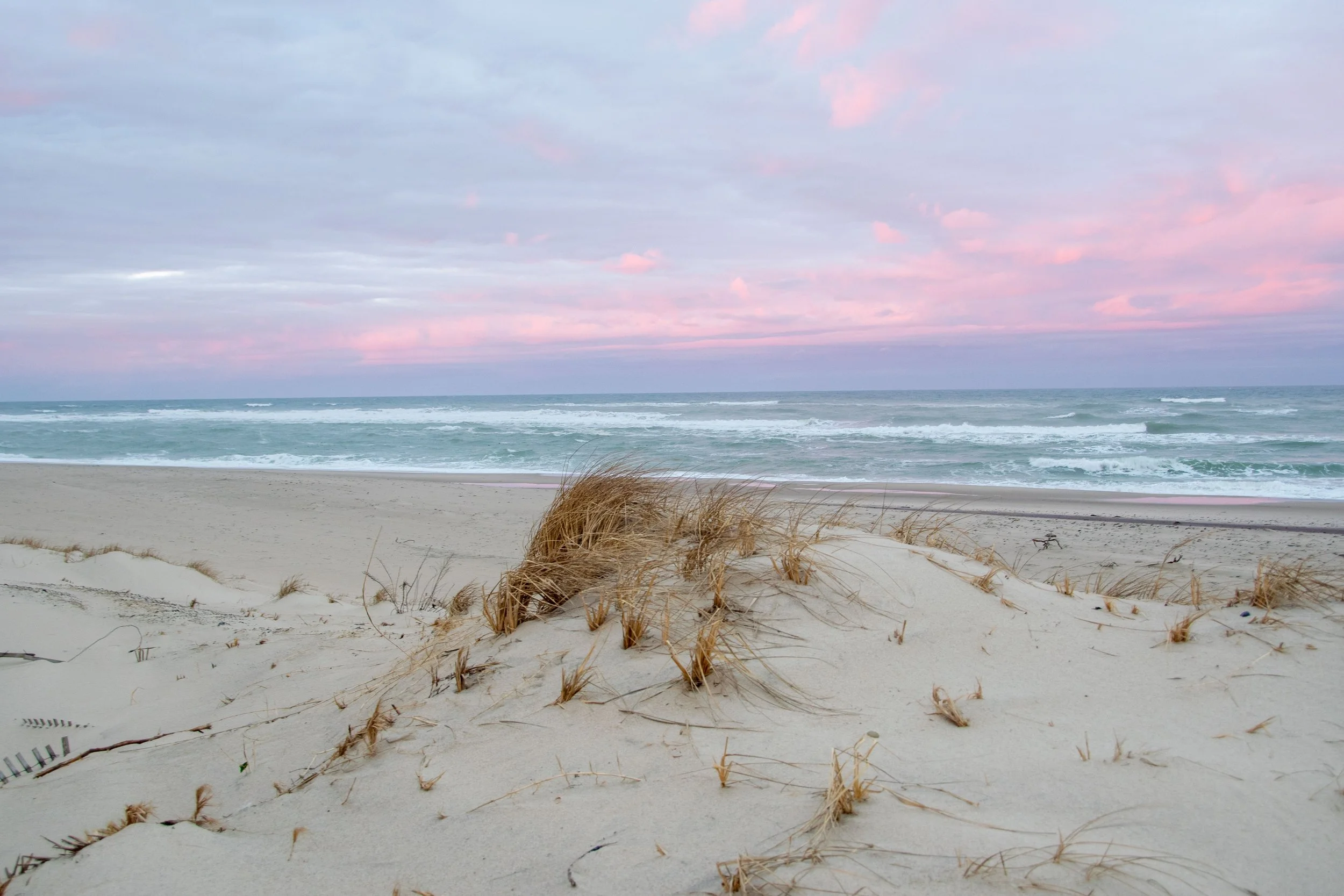
Picture grey-shingled cottages, hydrangeas the size of dinner plates, and a ferry horn carrying across the harbor. This is the coast of slow afternoons and long dinners, where the air smells like salt and roses and the light stays gold until almost ten o'clock.
Nantucket is cobblestones and lighthouses and a town that looks the way you hope a town will look. Settle into The Nantucket Hotel & Resort, a short walk from the ferry, with the kind of polish that makes the whole trip feel intentional.
Martha's Vineyard trades a little of the formality for open beaches and gingerbread houses. Winnetu Oceanside Resort in Edgartown puts you right at South Beach, which is exactly where you want to be at sunrise.
Cape Cod is the classic, the long arm of sand that holds all of it together. Chatham Bars Inn sits at the elbow of the Cape with its own beach and a porch built for the conversation where the next year of your business quietly takes shape.
The business angle: This is retreat country. The Northeast's quiet, upscale calm is the natural home for a documented annual planning retreat, the two or three days set aside to build the year. Beautiful surroundings don't make the work less real. They just make the thinking better.
The Southeast and Gulf: Charleston, Kiawah, 30A, Naples, Palm Beach, and Key West

This is the long warm coastline, the one that runs from antebellum porches down through sugar sand and out to the edge of the country where the water turns turquoise. It's the stretch with the most range, which makes it the most flexible for a working trip.
Just down the road, Kiawah Island swaps the city for ten miles of undeveloped beach. The Sanctuary at Kiawah Island is the grand dame of it, a resort built for the trip that's part work, part exhale.
Up on Florida's panhandle, 30A is the photogenic stretch every brand wants in its feed: pastel towns, white sand, bicycles everywhere. Kaiya Beach Resort is the design-forward base for a real content production trip.
Down the Gulf, Naples brings the polish back, with the Naples Grande Beach Resort sitting on three miles of soft sand and mangrove preserve.
On the Atlantic side, Palm Beach is the postcard of old-money ease. Eau Palm Beach is the oceanfront stay that makes a client dinner feel like an event.
And at the very end of the road, Key West, where the highway runs out and the sunset is a nightly ritual. The Perry Hotel & Marina puts you on the water in the quieter Stock Island corner, away from the crush and closer to the calm.
The business angle: Range is the point here. A client appreciation gathering in Charleston, a content shoot on 30A, a small advisory session in Naples. The Southeast and Gulf give you a real business reason for almost any kind of working trip, and the "ordinary and necessary" standard stays easy to defend when the activity is genuine.
The West Coast: Malibu, Montecito, and Cannon Beach
The Pacific is a different mood, cooler, more dramatic, the kind of coast that clears your head whether you asked it to or not.
Malibu is the cliffside drive and the long surf breaks. Hotel June Malibu keeps it relaxed and creative, a backdrop made for the brand that lives on story and image.
A little north, Montecito is the hushed, hedge-lined version of California glamour. Rosewood Miramar Beach is the jewel of it, the rare resort that earns every bit of its reputation and makes a high-touch client experience effortless.
Then, far up in Oregon, Cannon Beach, where the sea stacks rise out of the fog and the air smells like cedar. Stephanie Inn sits right on the sand with floor-to-ceiling windows, the kind of place where spotty signal does you a favor and the big decisions finally get made.
The business angle: The West Coast is where creative work and clear-headed strategy both thrive. Malibu and Montecito are made for content and client experience; Cannon Beach is made for the quiet, year-shaping thinking that warm beaches sometimes talk you out of.
The structure that makes a trip legitimate

Now the part most people never learned. When the work is real, here's how the law lets it work for you.
The "primarily business" test. For travel inside the U.S., if your trip is primarily for business, generally meaning more days are spent on business than on play, the cost of getting there and back can be fully deductible, even if you tack a couple of personal days onto the end. The lodging and 50% of the meals on your actual business days come along too. Your personal beach days don't get deducted, and that's exactly as it should be. The honest line stays bright.
Write it down before you go, not after. The single most powerful habit is the boring one: a real agenda, real goals, a record of who attended and what was decided, and the calendar to back it up. The deduction doesn't live in the trip. It lives in the documentation.
The annual strategy retreat. Even a one-person business can hold a genuine, documented planning retreat, a day or two set aside to build the year's plan. If you have a team or a real advisory board, even better. The setting being beautiful doesn't make the work less real.
The Augusta Rule, if you own the place. Under a long-standing provision (Section 280A(g)), if you rent out your personal home for 14 days or fewer in a year, that rental income is excluded from your taxable income entirely. If you own a beach house and your business holds a legitimate meeting there, your business can pay you fair-market rent for the space. That's a real deduction for the business and tax-free to you, provided it's a genuine business event, the rent is reasonable for the area, and you keep minutes and records to prove it. Done sloppily, it's a red flag. Done properly, it's the tax code working as written.
Putting family on the payroll, for real work. If your spouse or your kids do actual work for the business, such as running the camera, managing the content shoot, or helping set up the client event, you can pay them a reasonable wage for it. And depending on how your business is taxed, wages paid to your own children under 18 may be exempt from certain payroll taxes, with their first slice of income often sheltered by the standard deduction. The catch is non-negotiable: the work must be genuine, the pay must be reasonable, and you must keep records like you would for any employee. This is a real strategy, not a costume.
Owning property through an entity. A coastal property held inside an LLC can offer real liability protection and make succession far cleaner down the road. But be clear-eyed: putting a personal-use vacation home in an LLC does not magically deduct your family's beach week. The entity is about shielding you from risk and passing the asset on smoothly, not about turning vacation into a write-off. Two different jobs. Don't let anyone sell you the second one.
Get the travel, the documents, and the bookings organized first
Here is where most good intentions fall apart. The trip is real, the work is real, and then the receipts end up in a shoebox and the business purpose lives only in your memory. Two years later, when it matters, you can't reconstruct any of it. The strategy was sound. The records weren't.
If you own a business, the organizing is the strategy. Before you book a thing, set up the simple system that holds it all together:
One folder per trip. Digital is fine. Inside it goes the agenda, the goals, the calendar invite, the guest list, the confirmations, and every receipt. If it touches the business, it lives in that folder.
Book with intention. When you reserve the room at Chatham Bars Inn or the Sanctuary at Kiawah, note why in the booking. Which days are business, which are personal, who is attending, and what the business purpose is. A confirmation email with a clear note beats a perfect memory every time.
Separate the money cleanly. Business expenses go on the business card. Personal beach days go on the personal card. The cleaner the line at the moment of purchase, the less untangling you'll ever have to do.
Keep the contemporaneous note. A short record written during the trip, not after, is worth more than any reconstruction. A few lines a day on what the business work was is enough.
Match the structure to the business. How you're taxed, who's on payroll, who owns what, and how the entity is set up all change how a working trip should be handled. Getting that infrastructure right once means every future trip runs on rails instead of guesswork.
This is the same care that makes a business calm to run all year. Get the documents and the bookings organized on the front end, and the trip protects itself.
The asset you might forget to plan for
Here's where the coast comes home with you.
A beach property, or any second home, is an asset. And like every asset, it eventually has to pass to someone. Without a plan, the place that held your family's best summers can become the thing they argue over, or the thing that gets tangled in probate for a year while the dock rots.
This is the quiet bridge between a great trip and a settled life. The deed matters. Whether it's held individually, jointly, or in a trust matters. Whether your business interests and your personal assets are cleanly separated matters. The same care that lets a trip do honest work for your business is the care that keeps your family from inheriting a knot instead of a gift.
A summer house, or even a favorite tradition, is a love letter to the people who'll carry it after you. It deserves a plan that matches.
Where the work and the love sit at the same table
The founders who build something that lasts tend to share a habit: they stop treating their work and their life as enemies. The retreat where the year gets planned is also the week the kids learn to body-surf. The property that protects the business is also the porch where, someday, the grandkids will eat watermelon. The structure isn't cold. It's what makes the warm parts possible, and keeps them safe.
So pick the coastline. Plan the real work. Keep the honest records. And let the trip be both things at once, the way the best summers always were.
A gentle note: This blog post is general education, not tax or legal advice for your specific situation. The facts of your business, how it's taxed, and a good professional advisory team at your side make all the difference between a clean strategy and an expensive mistake. If this is of interest to you, we can help. Schedule a call with our team here. The rules above are real, but they reward people who get the details right. If you've been meaning to get the structure underneath your business, or the plan for that property you love, into honest, settled shape, that's exactly the kind of thing we sort out in a calm conversation. No pressure, no hard pitch. Just a clear-eyed look at what you've built and how to protect it.